

What to Do When Your AC Stops Working in a Heat Wave
Five safe checks, how to keep everyone cool, and how to tell an emergency from a repair that can wait until morning.
- NM CID License #413436
- 24 Google reviews
- Led by Dominic Montoya, over 20 years in the trade
- Free written estimates
By Dominic Montoya, Owner of Red Wrench Company. Published , updated .
AC stopped working? What to do first is short: check the thermostat, the breaker and the filter, and shut the system off if you see ice or hear grinding. Keep people cool while you do it, because the indoor temperature matters more than the repair. If the checks fail, call Red Wrench Company at (209) 563-1270, day or night.
AC Stopped Working? What to Do Before You Call
Work through these in order. Each one is safe for a homeowner and takes a few minutes.
- Read the thermostat. Confirm it is set to Cool and the setpoint sits below room temperature. If the screen is blank, change the batteries.
- Check the breakers. Look for the AC and air handler breakers in the panel. Reset a tripped breaker one time. If it trips again, leave it off.
- Pull the filter. A filter packed with dust starves the system of air and can freeze the coil. Change it if you cannot see light through it.
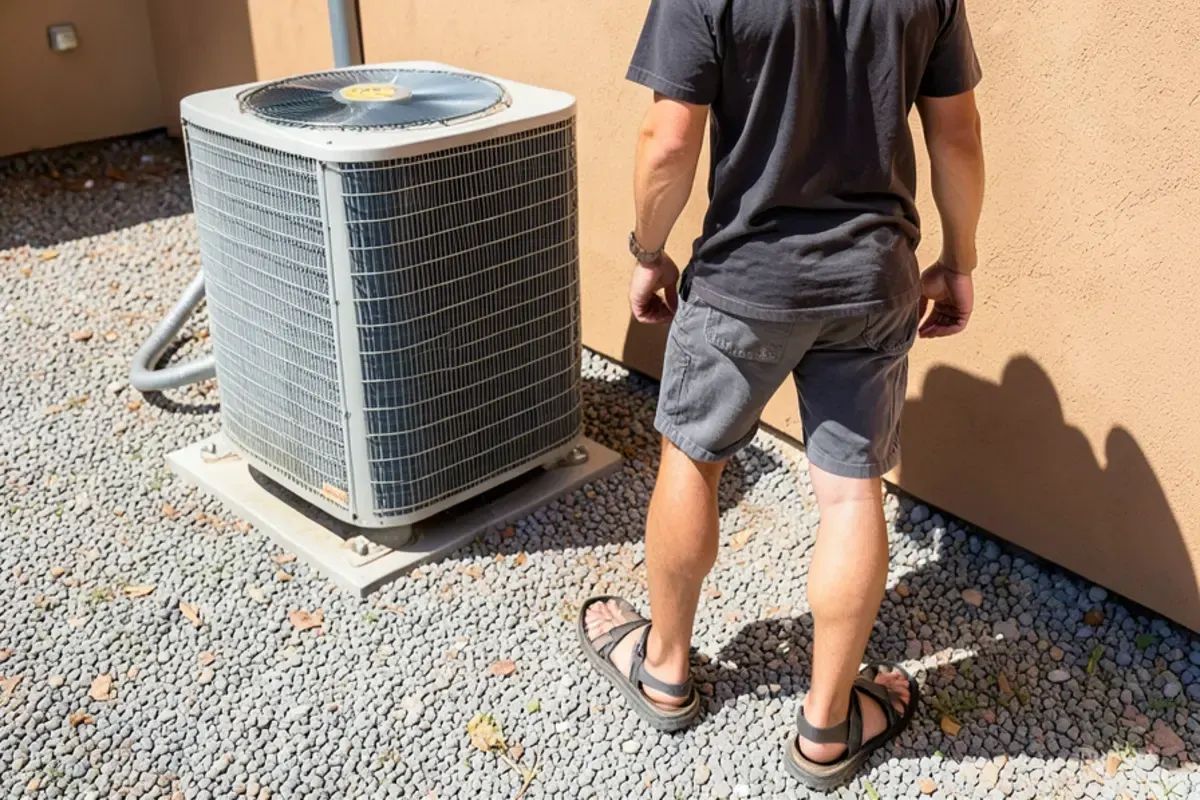
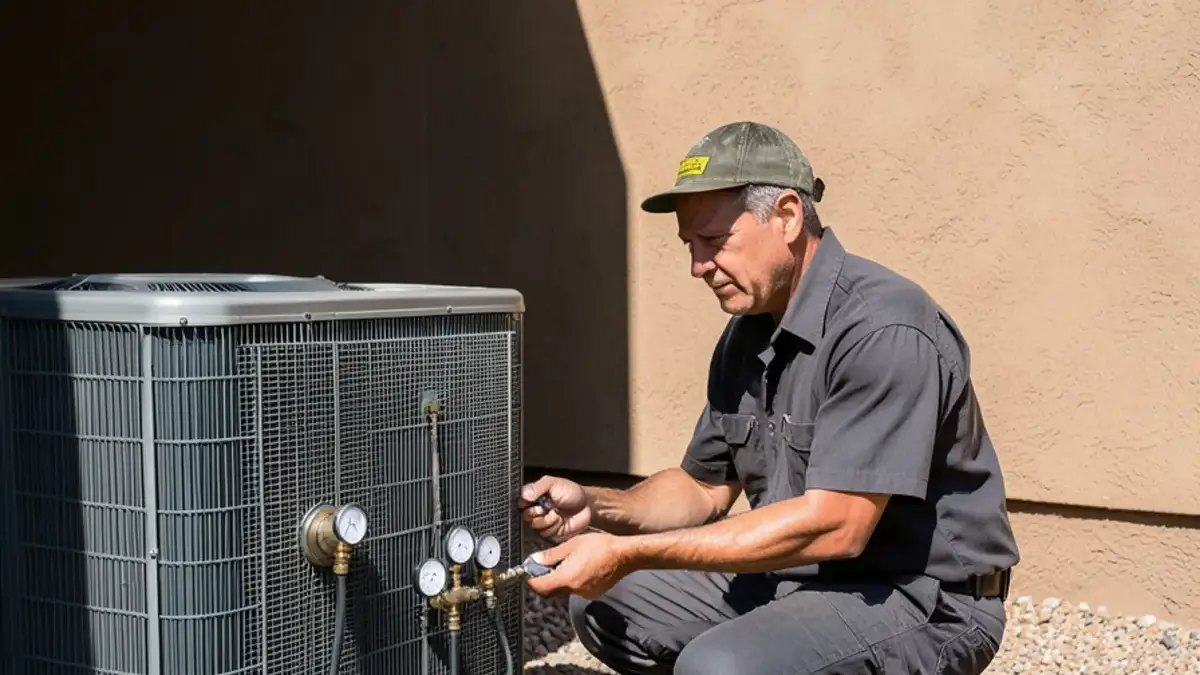
- Walk out to the condenser. See whether the fan is spinning and whether anything is blocking the unit. Do not open the service panel. The electrical parts inside can hold a charge after the power is off.
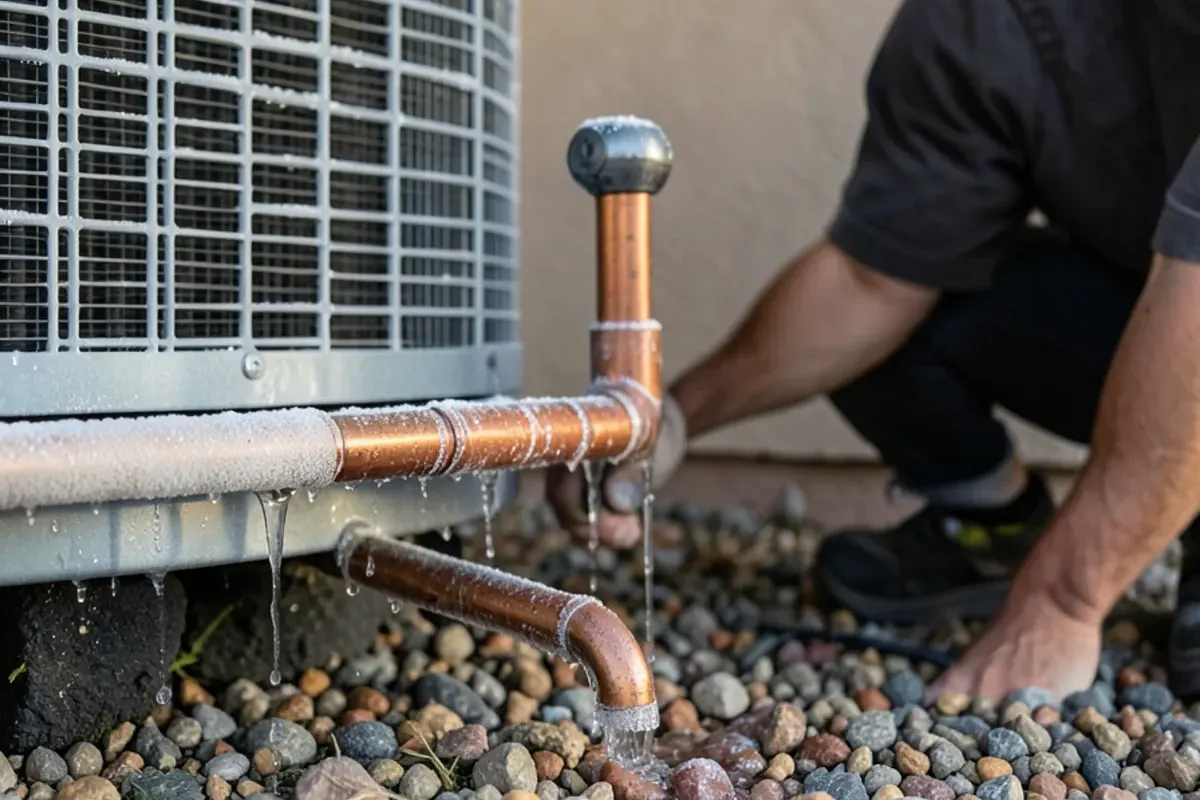
- Look for ice or water. Ice on the refrigerant line means turn cooling off and let it thaw. Water around the air handler means shut the system down and check the ceiling below it.
If the system runs again but the air stays warm, stop there. More restarts rarely help and can damage the compressor.
How Do You Keep the House Safe Until the Repair?
Cut the heat coming in, then get people somewhere cooler if the house keeps climbing. Ready.gov advises covering windows with drapes or shades, using the oven less, and taking cool showers or baths. Close off west-facing rooms in the late afternoon, and drink water before you feel thirsty.
Do not count on a fan. Ready.gov says fans do not reduce body temperature or prevent heat-related illness, and the National Weather Service warns that a fan blowing on someone can make them hotter when the heat index is above the 90s.
Watch the overnight low as much as the high. The Weather Service's HeatRisk scale runs from 0 to 4 and weighs daytime highs and overnight lows together, and its major level, 3, reaches anyone without cooling or good hydration. Once the outdoor air drops below the indoor reading after dark, open windows on opposite sides of the house to flush the heat, then close up again at sunrise.
Leave the house if it will not stay cool. CDC notes that even a few hours in air conditioning helps, and suggests checking on at-risk adults at least twice a day. Albuquerque runs Operation Cool Down each summer, and KUNM reported that the 2026 list included community centers, libraries and multigenerational centers. Sites and hours change, so call 311 or check the City's site before you drive over. Outside the City, ask your local government what is open.
When Does Heat Become a Medical Emergency?
Call 911 first and the repair company second. The National Weather Service lists these as signs of heat stroke:
- Body temperature above 103°F
- Confusion, slurred speech or a throbbing headache
- Hot, red skin that may be dry or damp
- A rapid, strong pulse
- Fainting or loss of consciousness
Move the person somewhere cooler and cool them with wet cloths or a bath while you wait. The Weather Service says not to give fluids to someone with these signs. Delay can be fatal.
Which AC Failures Need a Call Tonight?
Sort the problem by who is in the house and what the equipment is doing.
| What you are seeing | What to do |
|---|---|
| Infant, older adult or someone ill in a hot house | Move them somewhere cool now, then call |
| Burning smell or a breaker that trips again | Shut the system off and call now |
| Grinding or a stalled condenser fan | Shut the system off and call |
| Ice on the line, house still livable | Run the fan only to thaw, then call |
| One room warm, the rest cooling | Book a daytime visit |
| Swamp cooler falling behind in monsoon humidity | Book a daytime visit |
Our emergency AC repair line runs after hours and on weekends. A problem that can wait until morning belongs on a regular AC repair visit. If your home runs on a roof cooler, the swamp cooler repair checks differ, and pads, pump and belt come first.
What We Tell Customers During a Hot Stretch
These rules come up on nearly every no-cool call.
- Do not drop the thermostat to 60. The system removes heat at a fixed rate. A lower setting does not cool any faster, and a long run on a dirty filter can freeze the coil.
- Do not keep resetting the breaker. A breaker that trips twice is reporting a fault. Forcing it on again can burn out a motor.
- Skip the refrigerant top-off. Refrigerant sits in a sealed loop, so a low charge means a leak. ENERGY STAR notes that too much or too little refrigerant both hurt efficiency.
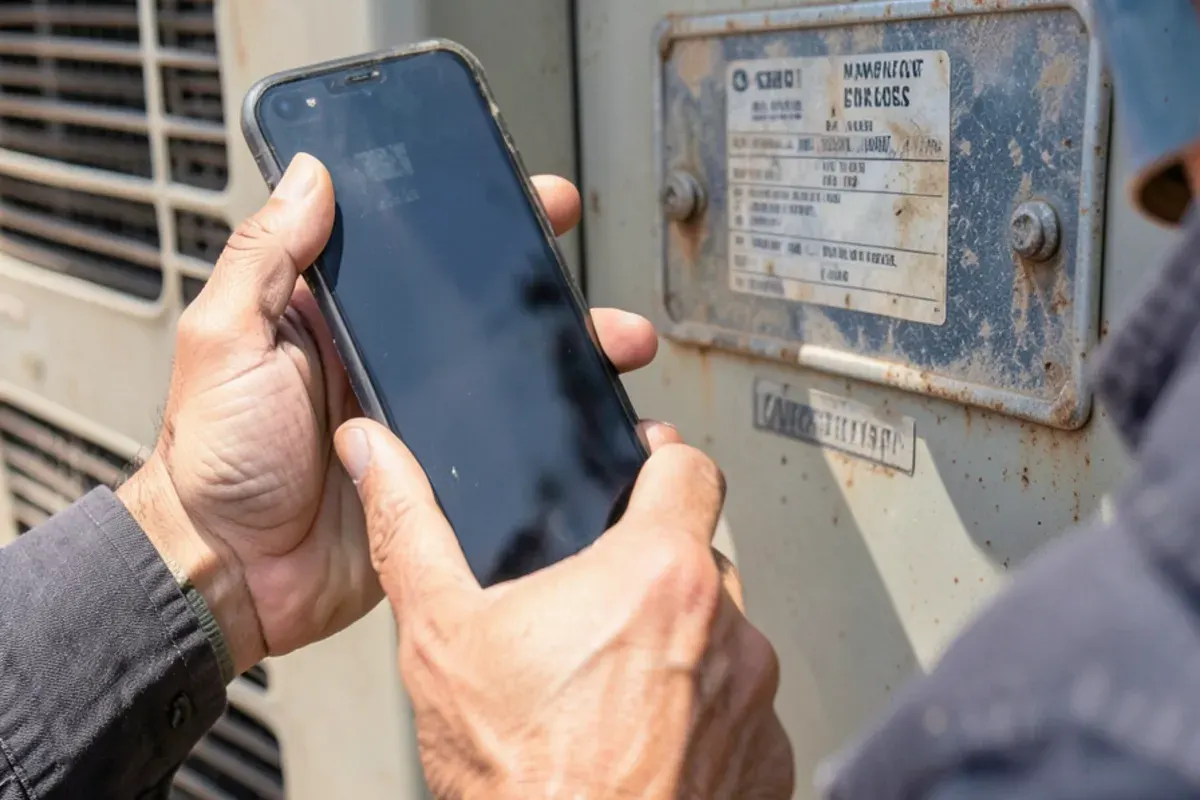
- Photograph the model plate. That picture tells us the system's age and likely parts before we arrive.
- Ask for the price first. Our estimate is written, and after-hours pricing is stated before work starts.
Hard Choices When the AC Is Down
A heat wave forces quick calls, and each has a price.
- Shut down a frozen system or keep it running. Turning it off means a warmer house for the hours the coil needs to thaw. Running it risks the compressor, the costliest part of the system. We would take the warm afternoon.
- After-hours or first thing tomorrow. A night visit may cost more than a daytime one, and parts houses may be closed. Pay for it when someone at risk is in the house. A healthy household with a cooler place to go can often wait until morning.
- Temporary repair or replacement. A fix that gets you through the week is a fair choice on an older unit. Heat waves are also a poor time to buy, since installers tend to be busy and you have little time to compare. Ask for both prices in writing, then decide after the weather breaks if you can.
- Portable unit or a night away. A portable or window unit can keep one room usable, but it needs a suitable window and outlet, and it will not hold a whole house. Leaving costs money, and it beats staying in a room that keeps climbing.
Renters and the Albuquerque Cooling Rule
Tell your landlord in writing the moment the system fails, and keep a copy. In December 2024 the Albuquerque City Council passed O-24-59, adding a cooling requirement to the Uniform Housing Code. Reports differ on whether it reaches all housing or mainly rentals, and a 2026 proposal to tighten it has an unconfirmed outcome. Portable units may only be used temporarily while a permanent system is repaired or replaced.
Confirm the current rule and enforcement with the City of Albuquerque before you rely on it. The rule is a City ordinance, so it does not apply in other towns.
Get Cool First, Then Get It Fixed
Heat waves here are real tests of older equipment. National Weather Service Albuquerque logged 30 days at or above 90°F in August 2026 against a normal of 16.5, and weak parts tend to fail in stretches like that.
Run the five checks, protect the people in the house, and call when the checks run out. We take no-cool calls from Albuquerque and from Rio Rancho around the clock at (209) 563-1270. We diagnose first, explain what failed in plain English, and put the price in writing.
Areas we serve
Common questions
How long can a house go without AC in a heat wave?
There is no safe number, since it depends on the house and who is in it. Infants, older adults and people with health conditions are at higher risk, so move them somewhere cool early. West-facing stucco homes tend to hold afternoon heat well into the evening.
Should I turn my AC off if it is blowing warm air?
Yes, if you see ice, hear grinding or the outdoor fan has stopped. Running in that state can damage the compressor. If the system is otherwise quiet and normal, change the filter and recheck the thermostat first, then call if the air stays warm.
Will a window or portable AC get us through until the repair?
Usually, for one room. Pick the room where people sleep, keep the door closed and plug the unit into a wall outlet, following its instructions. It will not cool a stucco house through a long afternoon. Inside Albuquerque, the City's cooling rule allows portable units only as a temporary stand-in during a repair or replacement, so landlords should confirm the details with the City.
Rather have someone look at it?
Call any hour. You get a straight answer, a free written estimate and the price before the work starts.
- NM CID License #413436
- 24 Google reviews
- Led by Dominic Montoya, over 20 years in the trade
- Free written estimates
Red Wrench Company, 5635 Paradise Blvd NW, Albuquerque, NM 87114, (209) 563-1270